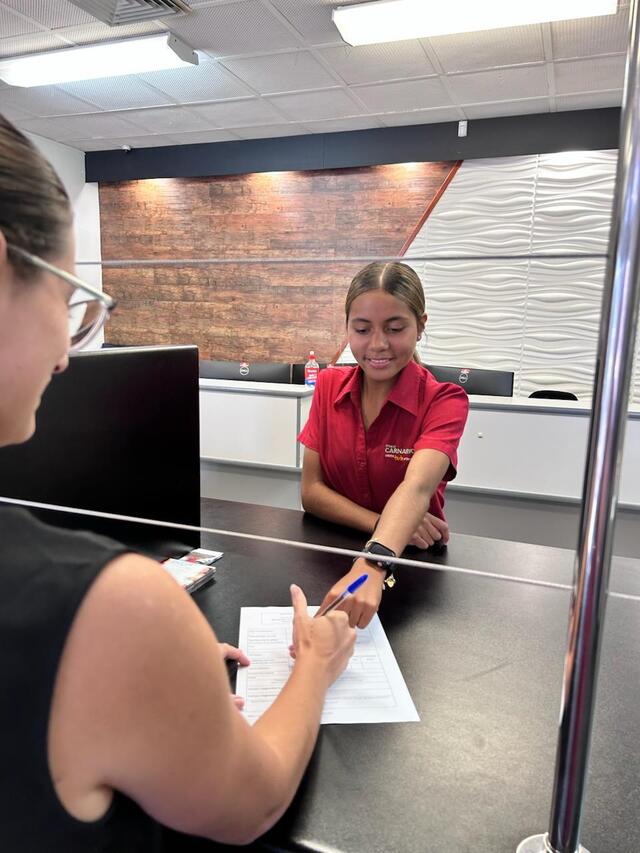
Equal Pay Day was not exactly celebrated on 31 August, more like noted. The date, set by the Workplace Gender Equality Agency, marked the additional days from the end of the previous financial year that women had to work, on average, to earn the same amount as men earned that year – 61 extra days this year.
Our Watch, an independent not-for-profit organisation which can boast among its membership the Federal Government as well as the government of every Australian state and territory, has pointed to the growing wages gap, which is up 14.2 percent, as evidence that women have been disproportionately affected by the impact of COVID-19, sounding the alarm that women are at risk of being left behind in the pandemic recovery.
Local government is a large employer of women, many of whom work in professions such as early childhood education and care, health care and aged care, the industries that have been hit hardest by the pandemic management.
At the same time, women workers across the board have experienced a rise in unpaid carer demands.
Our Watch CEO, Patty Kinnersly said it was vital that decision makers understood the link between gender inequality and violence against women and that the gender pay gap was a clear example of the inequality faced by women.
She has asked for governments to apply a gendered approach to all policies, for example ensuring that economic stimulus packages do not disproportionately benefit male-dominated industries.
“Workplaces also have a critical role to play in improving gender equality. They need to make flexible work arrangements genuinely available for women and men, encourage women’s career progression and ensure that their policies and processes address discrimination and inequality.”
The Women’s Safety Summit, to be delivered virtually from Canberra 6-7 September, is the final piece in the development of the new National Plan to end violence against women and children which will replace the current plan in 2022.
The summit was agreed on as part of the establishment of the Taskforce on Women’s Safety in December last year. It offers an opportunity to look comprehensively at the issues surrounding violence against women and include diverse aspects such as online abuse, gender equality, coercive control in culturally and linguistically diverse communities, and policing and justice systems.
Although the event will have happened by the time this issue of LG Focus goes to print, my thoughts echo the words of RMIT University’s Associate Director Research, Advocacy and Policy at Centre for Innovative Justice, who said, “We can’t continue to address the issue of women’s safety with budget top-ups and piecemeal announcements.
“System activity shouldn’t be equated with system effectiveness – we have to make sure the way this system operates is not causing further harm or being abused to isolate victim survivors further.”
I hope more comes of the summit than previous efforts have engendered.
The push to have more women elected to local government has gained traction although results are only being achieved in small increments. However, with women making up more than half its workforce, Local Government can and should show leadership by promoting and practicing gender equality.