Leading future-of-work researcher explains how changing expectations are impacting how we think
of workplace wellness. Libby Sander says employers need to avoid the trap of paying lip service to
wellness without examining company culture.
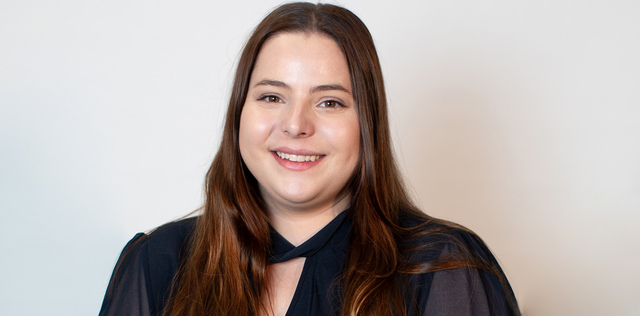
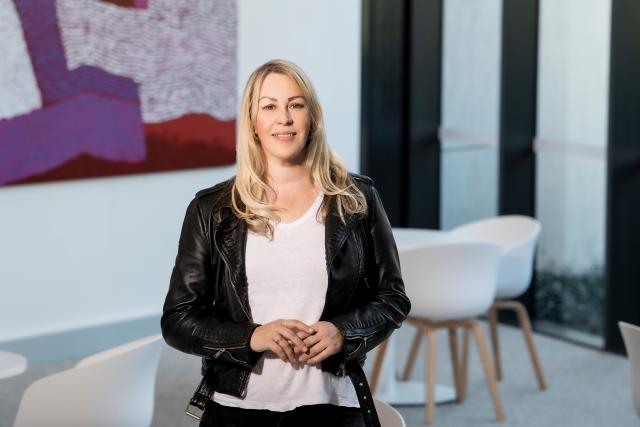
Libby Sander is an internationally renowned expert on work and the workplace, the MBA Director
and Assistant Professor of Organisational Behaviour at Bond University. She is interested in how we
can reimagine work to live more meaningful and creative lives. She has spoken at TEDx, is an Agenda
Contributor at the World Economic Forum, and this November at HR + L and D Innovation and Tech Fest,
Libby will address Surviving to Thriving: Employee Wellbeing in a New Landscape of Work.
How do you define employee wellbeing – what does it encapsulate?
“If we think about employee wellbeing, it’s not just ‘are you not feeling sick? are you feeling capable of doing your job?” she said.
“We’ve heard a lot of talk lately about presenteeism – how many companies are pressuring people to come back to the office just for that base time – that is very relevant.
“We know that being at work and not feeling at your best has significant implications. So, when
we talk about wellbeing, we’re talking about the entire person and everything that contributes to
them being able to be at their best. So, it’s physical, it’s mental, it’s social, it’s emotional.
“Is employee wellbeing – both the concept of it and the focus on it – different now than before the
pandemic? And for that matter, are employee wellbeing needs different?
“When we look at wellbeing, we should be asking are our employees thriving at work, not just
Surviving,” she said.
“This was important even before the pandemic, but the pandemic has made it worse. A lot
of employees are just surviving at work. We have the stress and the pressure that we had
beforehand, which might be bad job design, poor culture, poor leadership, unrealistic expectations
of the job.
“And then we put a pandemic on top of that, and people’s mental wellbeing is lower.
“Stress is a lot higher. Anxiety is a lot higher and general satisfaction with life in a lot of ways has been
lowered during the pandemic for a host of reasons.
“People have said, ‘I don’t want to live this way anymore. I don’t want to commute for two hours a
day. I don’t want to work 10 hours a day in an office. I want to spend more time with my family.’
“They’re looking more holistically at their life. It’s not just job title and salary that is a definition of
success. Now it’s also physical and mental health, other interests, and the amount of time they
spend on them and with loved ones.”
In a lot of cases, this is falling on HR and line managers to address. Is it realistic to expect these
positions to take on the onus of employee wellbeing?
“Employee wellbeing is not just a HR issue. It can’t just be delegated to some parts of the
Organization,” she said.
“It has to be embedded in the culture of the organisation. We often see a disconnect
between what we say and what we do. We value employee wellbeing – we give you massages,
unlimited annual leave – but actually we have this expectation around face time in the office or the
number of hours you’re working, or we have a manager that’s dysfunctional and yet that’s not being addressed. It’s not fair to put all of that onto a single role or a single department. It has to be a
concerted, genuine effort by the entire organisation, particularly championed from that executive
level and by the CEO.”
Are there any red flags when it comes to workplace culture that might indicate it is lacking in its
capacity to look out for employee wellbeing?
“Yes – we see in cultures where wellbeing is paid lip service with offers and freedoms, yet on the
other side, it’s not possible for employees even to take barely any annual leave because the
expectations of their job are so high because they haven’t hired enough people to do the work that’s
required and within a culture that is quite toxic or super competitive,” Libby said.
“So, for people to advance, they can’t actually take advantage of these initiatives and we have to look at all of these metrics and all of these systems across the organisation and to say, is this a genuine effort or is it just a few token things and what we really value is money.”
So, are your employees surviving or thriving? Does your culture align with your wellness initiatives?
During this time of high anxiety and great resignation, it has never been more crucial to map out
ways to help your people feel more supported, valued and satisfied in their jobs.
Don’t miss Libby Sander at HR + L&D Innovation and Tech Fest on 8-9 November at ICC Sydney.
To book your tickets or to get more information about the HR + L and D Innovation and Tech Fest, please
contact Hugh Owen at +61 411 294 441 or visit www.techfestconf.com/hr-aus