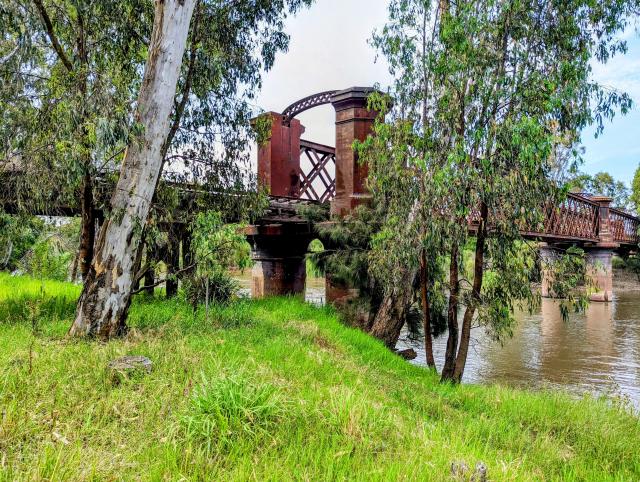
This is a very interesting town on several fronts.
It’s at the junction of the Newell and Sturt highways, and midway between Wagga and Griffith, both important cities in the context of regional value-adding. Leeton, the booming agricultural hub, is 25km away.
Narrandera has a fascinating history – the heartland of Wiradjuri country, the focal point for exploration by Sturt and others, a paddle steamer hub in the 1800s, and home to a bevy of notable Australians – Dame Marie Bashir (ex-NSW Governor), Stan Grant Snr (Indigenous leader), Cliffy Lyons (NRL) and various bush poets.
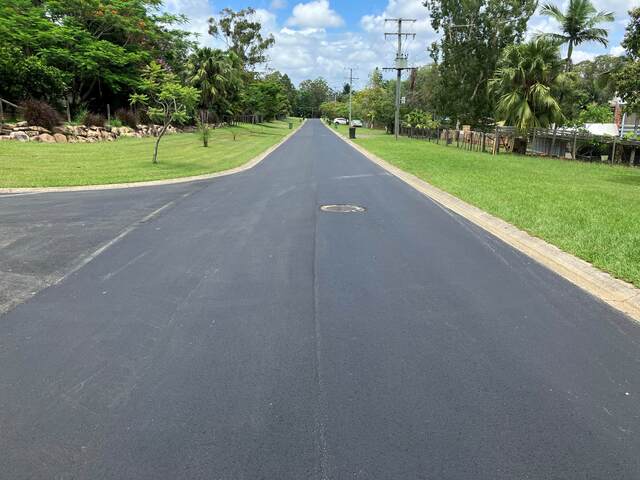
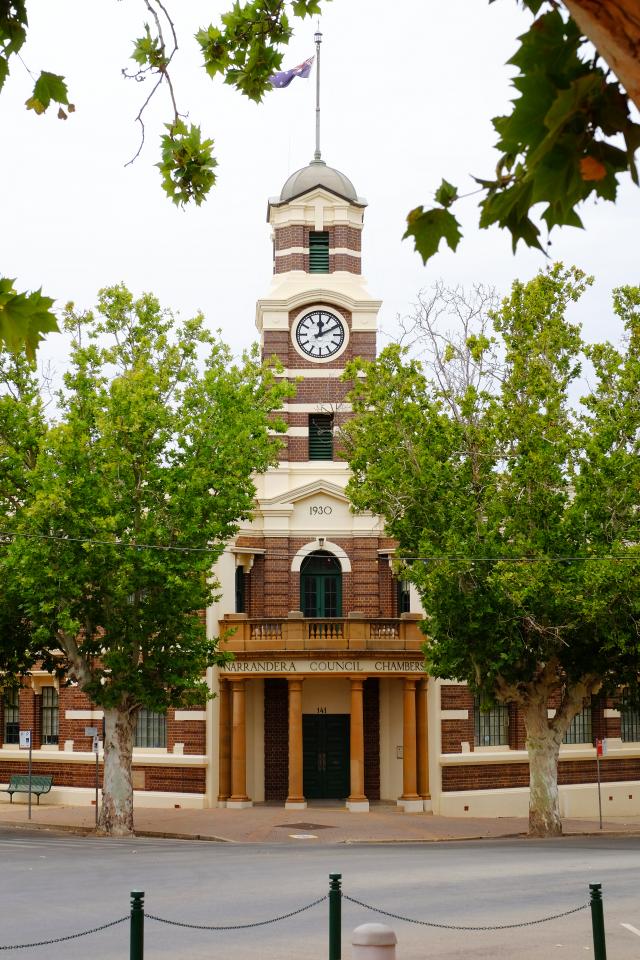
One of Narrandera’s points of difference is its wide streets – indeed some of the side streets are 35m wide. There are numerous historical buildings. The housing stock appears very reasonable, and there’s a housing sub-division underway. The motels mostly date back to the boom years of Victorian travellers chasing the Queensland sun. The pubs are currently in a state of flux, for reasons I won’t go into here.
But the puzzling thing is Narrandera’s modest population of 3,800 – it’s about the same as 50 years ago. Falling farm populations due to increasing mechanisation and farm aggregation has put pressure on Council’s rate base at a time of growing infrastructure requirements.
By all accounts, Narrandera Council and the community in general are proactive in attracting large-scale investments. An example is the recently-opened Avonlei solar farm (550,000 panels). Interestingly, it has significant Indigenous community support and employment.
Another investment ($70 million) was by Ferrero Rocher in a hazelnut farm outside town. Unfortunately in this case the company has recently announced its withdrawal due to the unsuitable climate. This is quite sad given Ferrero Rocher’s international standing and the potential the project had to trigger more downstream processing in the Riverina. Confectionery manufacturing might have been a subsequent step.
But I figure Narrandera’s Mayor, Neville Kschenka, won’t be put off by the Fererro Rocher exit because it has competitive advantages to attract other investments year-round: water supply, clean energy, the Riverina Food Bowl, a JBS feedlot, the highway network, Narrandera Airport (Rex services to Sydney), and a stable workforce.
In this context some locals there last month mentioned the possibility of a freight hub – or at least a freight consolidation facility – for fresh/processed food.
A second idea was to somehow enshrine its new Industrial Estate as a recognised precinct under the NSW Government’s regional precincts program. A third idea is a modular housing manufacturing plant in the Industrial Estate. This has been mentioned in the press and it would really be a game-changer. It certainly makes sense to locate such businesses in places like Narrandera where land costs are much cheaper than in Sydney.
The point here is that taking ideas to the market can be a slow and tortuous process. It manifests itself in the difficulty in getting potential stakeholders interested and knowledgeable about a small town, and then getting them organised and collaborating. ‘Coordination failure’ is the fancy economic term for the problem. Narrandera seems to be kicking goals in this regard.
Should your council be having difficulties in this space, two strategies are suggested.
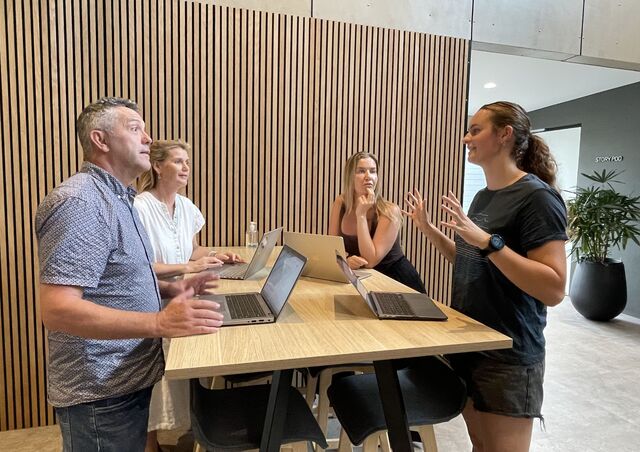
Convene a workshop where potential stakeholders can discuss the worth of say two to three development ideas or projects. Participants would reflect the projects for discussion, and they should probably include the RDA Committee, Department of Primary Industries, Investment NSW, one to two super funds, the tourism development authority, Local Land Services (in NSW at least) and the relevant local companies. The aim is not to necessarily get a project sign-off, but to begin a stakeholder engagement process.
Commission the preparation of project snap-shots that can be disseminated around national and international investors. The rationale is that investment attraction in regional Australia would benefit from a more proactive approach. The feds have exited this function all together – our overseas posts simply refer enquiries from prospective international investors to our state investment agencies. There is minimal effort by our posts to put proposals in front of prospective international investors. Some of our state investment agencies do this, but it’s light years away from the practice adopted by those in North America and Europe.
The above strategies would, I believe, benefit probably 80-100 other small towns across Australia. For example, Narrogin in the WA Wheatbelt has significant agricultural output and good transport links, and ripe for a development trigger.
Likewise the regional Queensland towns with natural resources and now solar energy supplies – Barcaldine, Emerald, Lakeland, Chinchilla, Oakey etc. The councils in these areas are to be commended. Indeed Barcaldine has eminent economist Ross Garnaut playing a leadership and investment attraction role and I wouldn’t be surprised if workshops and project snap-shots were the modus operandi there.
In brief – AIS
As predicted in this column six months ago, the Albanese Government has decided to upgrade the Australian Institute of Sport in Canberra, rather than incur more expenditure by moving it or spreading the sports around Australia. This brought a stinging response from new Queensland Premier, Steven Miles, as follows ‘Canberra is an awful place. Who would want to go to Canberra…Queensland is the sporting hub of the nation.’
Sure, Miles is facing an election in October and a bit of Canberra-bashing might get pats on the back from some Queensland voters. But he’s raising eyebrows, and not just in Canberra. And regular travellers to Canberra appreciate that it’s a melting pot of sorts – government as well as private sector employees come from all over Australia, with open and collaborative mindsets. This arguably explains why the ACT was the only jurisdiction that voted yes in the recent Voice referendum.
Rod Brown is a Canberra-based lobbyist specialising in industry/regional development. Email apdcockatoo@iprimus.com.au