Surprising what a change of leadership can do.
Malcolm Turnbull’s vision and upbeat persona is in contrast to that of the Abbott camp, which, by trotting out the Treasury/Finance dogma ad nauseum, progressively saw the electorate facing a long list of negatives. Tony Shepherd and his colleagues on the Commission of Audit were the attack dogs. Simply dumb.
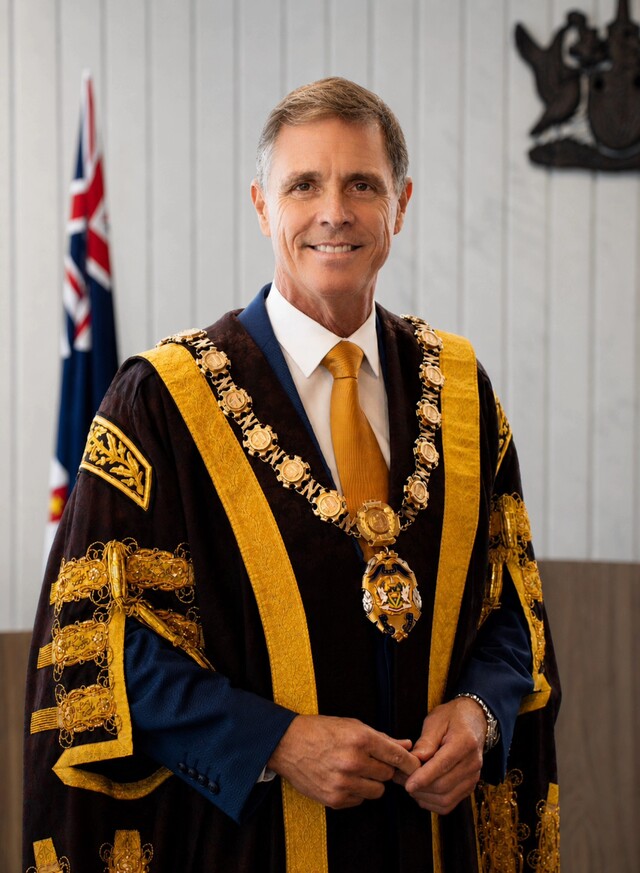
Turnbull is a freer spirit. He has widened his view beyond the Budget black hole, and I get the impression that, with the help of some of his Ministers, will win over six of the eight crossbench senators to get key legislation through.
Turnbull is an appealing blend of gravitas and intelligence. Others try to affect it by speaking sloooowly, but it doesn’t work if there’s nothing of substance coming with it. In Turnbull’s case, the electorate seems to believe that there is substance behind his agenda for the nation, namely innovation, economic growth, tax reform, consensus building and due Cabinet process (aka no Captain’s calls).
A part of Turnbull’s visionary swagger is to free up the federal bureaucracy.
A problem that my colleagues and I faced under the Abbott government was in getting any frank advice, opinions or guidance. There was a fear of overstepping the program boundaries or the policy thinking of Ministers’ Offices.
Changing the culture
If Turnbull’s rhetoric about innovation and ideas is to be realised, he has to change the Public service culture. This will mean getting the Public Service Commission to actively encourage senior officials to be more open, to exercise their judgement, to take calculated risks and to be more collaborative in problem solving.
Let me share an example of the current culture. I’m often asked by councils for advice on whether the federal government has funding for programs in particular fields. A recent request was to find any program relevant to an environmental best practice program for a fishing village. I viewed the websites of the two most relevant departments for an existing program or name of an official. There was nothing there, so I rang the switchboards of these two departments. Neither switchboard operator had an organisational chart indicating the people that might work in this field (Executive Level 1 EL1 or Executive Level 2 EL2). I used to give up at this stage, but now I go back into the Departmental websites to view the State Emergency Services organisational chart. On this occasion I found a likely sounding branch and then rang the Assistant Secretary (AS) in charge. My call was actually answered by the AS who, after asking how I got her number, didn’t seem interested. The better option would’ve been for the AS’s personal assistant to take the call and connect me with the relevant EL2 (section head) who would be more across the detail compared with the branch head. However, whether the section head is willing and able to help progress your idea is another matter – about a 30 percent chance.
The above example illustrates the culture that Turnbull must reverse. Otherwise, government officials will baulk at the task of bringing people together to progress ideas, and to help in evaluating and implementing these ideas. In the Department of Industry where I spent most of my career, we were all expected to assume this role. The rationale was that company executives, union officials, importers, exporters etc. wanted the government to pull together the data and the arguments for and against a proposal, all the while acting as an honest broker. It was hugely rewarding. And I contend that this organisational role needs to be rediscovered at all levels of government.
This leads to my suggestion to councillors and local government officials to accept the Prime Minister’s challenge to be innovative. His words are bouncing around his Cabinet ministers, backbenchers, departmental heads and officials. So take them on. First, get those ideas out of the bottom draw, whether it is a regional food precinct, a youth vocational training centre, a home for Syrian refugees or a local program to address drug abuse. Secondly, re-establish a dialogue with key stakeholders, including agencies to help take it forward – main options are your local federal member (perhaps with the state member), the Regional Development Australia Committee, a regional organisation of councils and/or the State Local Government Associations. Thirdly, get professional advice to flesh out and/or tighten your proposal.
Pyne the survivor
Christopher Pyne supported Turnbull for the leadership and is a Republican, so it wasn’t a surprise that he emerged again with a Cabinet position – this time as Industry Minister. This is going to be very interesting because manufacturing is going down the gurgler, and desperately needs some initiatives to stem the tide. As we’ve been saying for three to four years, where are the programs to help get our companies into global value chains? Pyne wouldn’t be savvy on industry policy yet, but he is a self-described ‘Fixer’. If you’re a councillor in a manufacturing region, why not raise the topic with him? By the way, Wyatt Roy as Assistant Minister for Innovation is a good move – he is a cluey young bloke with the likely IT skills to make a good fist of it.
Cockatoo Network
We are on a membership drive, seeking councils wanting to collaborate on best practice (see box). For $200/year you get the Cockatoo Friday Brief (eco-political policy developments, funding programs, project opportunities) plus research reports from local and overseas agencies, insights into who’s who in federal agencies etc.
Just drop us an email please.
Rod Brown is a Canberra-based consultant and lobbyist specialising in industry/regional development, investment attraction and clusters, and accessing federal grants. He also runs the Cockatoo Network.
Phone: (02) 6231 7261 or 0412 922 559
Email: apdcockatoo@iprimus.com.au
Blog: www.investmentinnovation.wordpress.com (750 articles)