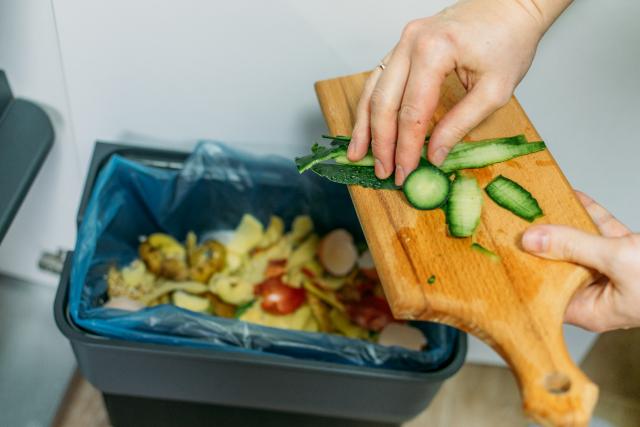
Household food scraps may soon become a valuable commodity in the rush to reduce emissions, giving local governments a vital role to play in the clean energy economy.
Local governments are being enticed to follow the lead of progressive UK councils by developing waste-to-energy solutions for households and businesses, converting organic waste to renewable gas such as biomethane.
Jemena’s Shaun Reardon, executive general manager of Jemena Networks said local governments are uniquely placed to capitalise on an emerging renewable gas sector, allowing ratepayers to contribute to the reduction of emissions in one of the most cost-effective ways.
“This is the circular economy in motion; turning trash into a renewable energy source and when injected into Australia’s extensive gas networks it is stored and available on demand,’’ Mr Reardon said.
“This is not a pipe dream, but a reality that is here and now.’’
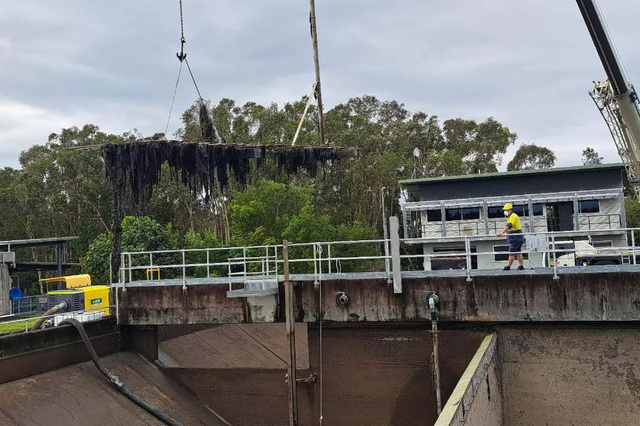
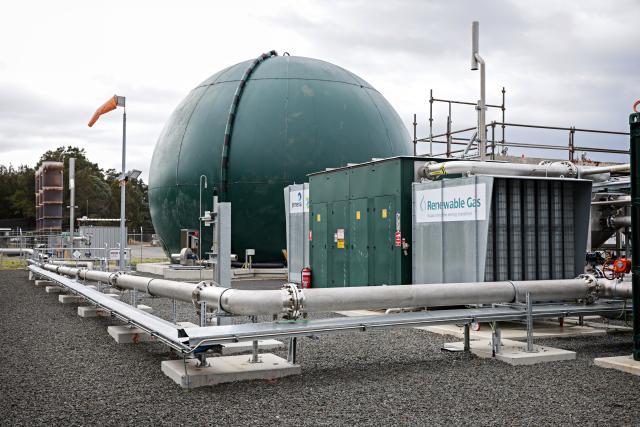
Biomethane is already being injected into the NSW gas network from the ground-breaking Malabar Biomethane Demonstration Project in south-east Sydney, which is on track to produce around 200 terajoules of renewable gas within four years. That is enough biomethane – converted from wastewater – to cover the average gas usage of approximately 13,300 homes if put to use in the residential network.
The link between household waste and renewable gas is already the lived experience in the UK where upwards of 100 biomethane projects inject biomethane directly into the gas network, with the majority of the feedstock coming from agricultural crop residues (34 per cent) and organic waste collected from households and businesses (31 per cent), according to a 2022 report by Sia Partners. The same is happening in nearby Denmark, with biomethane now making up over 25 per cent of network gas. Energinet of Denmark estimate they will be at 100 per cent biomethane by 2034. A remarkable achievement for a country that was fully reliant on Russian gas just a few years ago.
The prime mechanism for collecting organic waste across the UK is the recently enacted UK Food Waste legislation, which requires businesses to segregate food waste from general waste, to be either recycled or used to generate renewable gas.
Even Australia’s Kiwi neighbours are jumping on the opportunity with many councils in New Zealand, including Auckland City Council, diverting household food waste to NZ’s Ecogas biomethane facility in Reporoa.
The enormous biomethane opportunity could be realised in Queensland, with the Logan City Council launching a project in October, in partnership with the Australian Renewable Energy Agency (ARENA) and the University of Queensland, to investigate the feasibility of converting food and green organic waste into biomethane.
“On the journey to a low-emissions future, Australia cannot afford to put all its eggs in the one basket. We need all options on the table,’’ Mr Reardon said.
“These renewable gas projects, and the many more to come, will ensure Australia has the chance to reduce emissions by using current gas infrastructure, maintaining energy choice for our businesses and homes.’’