The Good Oil by Rod Brown*
I’ve been going to Far North Queensland (FNQ) since the 1950s – my mum was one of 12 kids from Gordonvale, so we have fond memories of catching mud crabs, eating prawns and mangoes; mossie nets; family gatherings fuelled by XXXX; roll-your-owns and everyone saying ‘eh’.
My long suffering wife accompanied me there last month on business. Being a South Aussie girl, it was her first trip up north, so we compared notes during the course of the trip.
Quality infrastructure
FNQ really is a well integrated regional economy – there is now a breadth of economic activity beyond tourism, tropical fruit and sugar.
Cairns Airport is delivering on the hub potential, with Japanese tourists and Gulf prawns coming in, telecoms equipment and meat pies heading out to Mount Isa, Cape York and beyond.
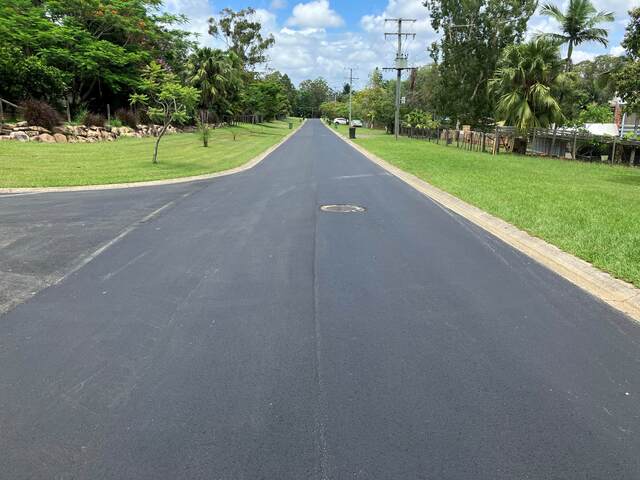
The roads, rural as well as urban, are generally first class, because the State Government has always been sensitive to the issue. The Cairns Esplanade has become a wonderful great example of infrastructure providing a focal point for a community.
Tourism characteristics
Despite the cheery dispositions, Cairns is struggling. I am reliably informed that the unemployment rate is nudging 14 per cent, due to falling tourism numbers and the NQEA shipbuilding facility losing a defence contract to Victoria.
So the locals are talking about inventing new attractions based around adventure tourism. By the way, swimming in FNQ outside of swimming pools is an adventure – take your pick of sharks, stingers and crocodiles. But I really think the region’s point of difference is the genuine hospitality, and the undercurrent of relaxation. This cannot be faked, and it extends to all the locals, not just the tourism operators.
However, it is currently smothering another point of difference – the local produce.
Take Port Douglas, 80 kilometres north of Cairns. It has a Noosa feel, with an excellent range of accommodation and restaurants. It suffers from a culture of appallingly weak coffee, but you can shrug that off.
But there is a serious lack of small businesses selling seafood, fruit and vegetables.
When Rudd, Bligh and the Chamber of Commerce are crying out for small business growth, where are the policies and incentives for street stalls selling prawns straight off the trawlers, and greengrocers selling paw paws from the farms?
Tourists want the unique and mystical experience. I resent having to shop at Woolworths in Port Douglas for such items – I could have been in downtown Canberra!
Next month we will focus on the Atherton Tablelands.
Recycled rubber
best practice
By the time you read this, the recycled rubber sector will hopefully have had a kickalong by the Feds and States’ announcement on 4 November of a revolutionary tyre recycling system. It has taken close on four years.
The new arrangements involve a $1 tax on imported passenger tyres, with the proceeds (possibly $12 to $15 million per year) being spent on R&D for local firms.
The aim of the new program is to increase the recycling rate to 95 per cent or thereabouts. Currently old tyres are burned in cement kilns, buried at landfill sites or thrown into dams.
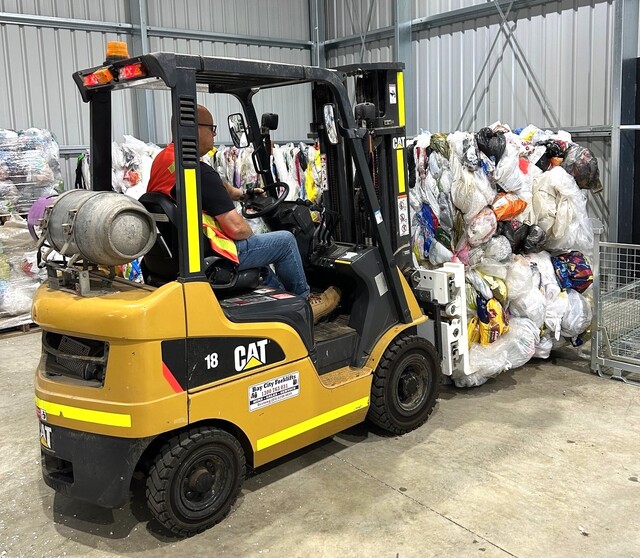
The big opportunity is for councils and development agencies to attract companies to establish facilities to manufacture rubber crumb and the downstream products such as rubber matting and footpaths, underlay for soccer, hockey grounds and so forth, or road safety barriers.
In rough terms, developed nations generate one tyre/head of population per year. Recent improvements in processing technology in UK and Germany mean that a viable processing plant can be established with feedstock of one million tyres annually.
Long distance haulage of used tyres is not economically viable, so regions of one million plus should be able to sustain their own vertically integrated recycled rubber industry. Regional towns will be attractive locations for downstream product manufacture – Warragul in Victoria is a first mover.
The proposal for a $1/tyre tax to stimulate R&D and processing activity is new to Australia, and other nations should track our progress. Contact us if you’d like to develop a recycled tyre activity.
RDA system a shamozzle
I have bitten my tongue, but no more. The new RDA Committees, which replace the 55 Area Consultative Committees (ACCs), are not going to meet the expectations of regional folk. The reason is that no one in Canberra could really give a damn – and National Party warriors are not saying much because they want Labor to wear the results.
Alarm bells began ringing when the staff running the ACCs were told two years ago to sit on their hands. Then there was the usual review so that regional Australia could develop smarter ways to improve their effectiveness and so forth.
Then the lengthy process began of marrying them with the State Regional Deveolpment Boards – I said then that this could be wonderful if the Feds took it seriously. Then a few more delays as Gary Gray was punted off to establish the Office of Northern Australia.Sadly, the RDA Committees could have had a real influence by advising how infrastructure expenditure is to be rolled out, by facilitating new regional investments, and by fast tracking the smaller expenditure to get things moving.
But the Department of Finance has cut program funding to pay for the GFC, that is, everyone’s roof insulation, bike trails and school gymnasiums on Sydney’s north shore.
Is there anything we can do?
My advice is that mayors should be demanding some long term sanity to infrastructure spending and regional development.
You can’t have 200 ACC staff sitting out there for two years doing nothing, then a flood of funding, then a trickle. You have to band together with your State colleagues and appeal to the Prime Minister for a whole of government long term approach with a relatively constant supply of oxygen.
Next month, we’ll reflect on the Innovative Regions Program within Kim Carr’s industry portfolio.
*Rod Brown is a Canberra-based consultant specialising in industry/regional development, investment attraction, clusters and accessing Federal grants. He also runs the Cockatoo Network. He can be contacted at apd@orac.net.au or phone (02) 6231 7261. Go to our blog at www.investmentinnovation.wordpress.com for 550+ articles on issues relevant to Local Government.