“We are heading towards a very different world in the future.”
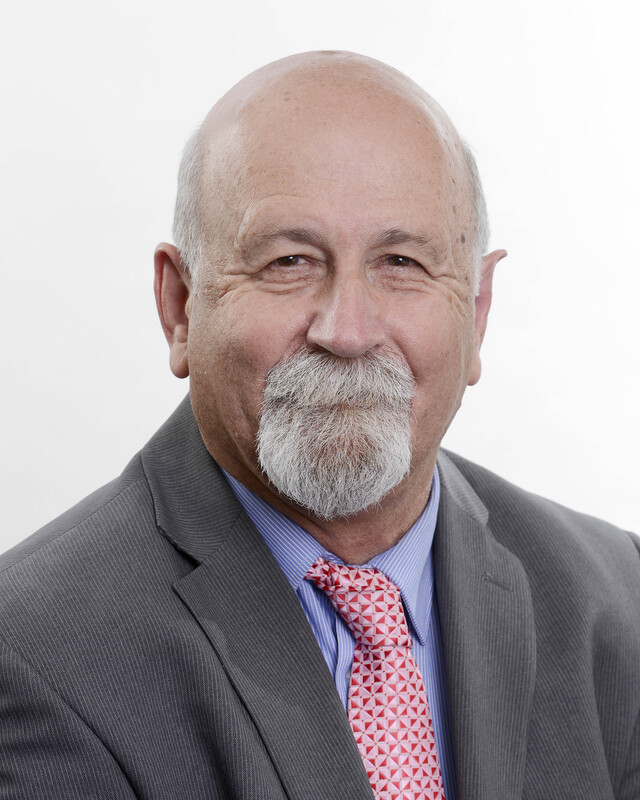
That was the warning scientist and environmentalist, Dr Tim Flannery, issued in his keynote address to delegates at the recent Local Government Managers Australia National Congress.
He said Local Government is the most important and responsive of all spheres of government when it comes to dealing with the challenges of climate change.
“There is no longer any reasonable doubt in the scientific world that global warming is happening, and happening because of us,” he said. “Claims that the current warming of the earth is part of a natural cycle are incorrect. We are actually 12,000 years into what should be a cooling period.”
Tim Flannery said climate change is most evident in the Arctic, where many changes are already impacting the environment and all forms of life that depend on it.
“In the 1970s the north polar ice caps began melting,” he said. “By 2005, the rate of melt had increased fourfold, and this northern melting season, which has only just begun, is already catastrophic. By September this year, half of the remaining ice in the Arctic will be lost, having great implications for our entire climate system.”
Dr Flannery said the Arctic acts as a refrigerator for the whole planet.
“The brightness of the ice reflects energy from the sun and puts it back into the atmosphere,” he said. “But as the ice melts, the dark colour of the ocean becomes more exposed, absorbing energy from the sun and turning the energy into heat. This affects the temperature grading across the world, causing more ice to melt and sending more fresh water through the Arctic’s river systems and into the Arctic Ocean. This increase will gradually change the overall circulation and salinity of the oceans, affecting the entire global climate.
“The melting of the sea ice also means that solar heat absorbed by the oceans in summer is more easily transferred to the atmosphere in winter.
“While the melting of the Arctic won’t affect sea level rise, the melting of Greenland’s ice caps will. As it melts, the sea level will rise by as much as six or seven metres within 100 years or so, flooding cities such as London, New York and Tokyo.”
Tim Flannery said there are two critical stages in relation to climate change – the tipping point, where change can still be made, and the point of no return, where it is impossible to go back.
“We have already passed the tipping point and are around 20 to 25 years away from the point of no return,” he said. “Large scale change is needed to avoid this point and the only feasible way to achieve this is by stopping the conventional method of burning coal world wide by 2030. Even with this, there will still be more than enough pollutant gas in the atmosphere to put us over the tipping point.
“We need to draw this gas down by regrowing and protecting tropical forests, and looking to more sustainable agriculture, such as the pirolisation of crop waste (turning waste into charcoal) to create energy.
“The task is too great for Local Government alone, but there is a lot that Local Government can do.”
Tim Flannery said efficiency is central to the challenge.
“Look at energy friendly ways to do everything,” he said. “Efficiency of energy use not only saves power, but water as well, as large amounts of water is used to produce electricity.
“Local Government must provide leadership to their communities by investing in its own pirolised waste scheme (burning waste at high temperatures to create energy), down sizing fleet vehicles and ensuring future developments are as efficient as possible.”