Home » Time running out for our estuaries

Time running out for our estuaries

Australia’s love affair with the coast ends abruptly at the beach according to the results of a national survey of estuary users. Most admit knowing little or nothing about local estuary issues and only three percent are aware that estuaries have some kind of management plan.

To improve the management of our coastal estuaries Australia needs a national action plan involving government partnerships, community training, research centres, public education programs and shared information systems, according to Dr Barry Jones, chairman of the Cooperative Research Centre for Coastal Zone, Estuary and Waterway Management.

“Many of Australia’s major estuaries show signs of degradation through increased sediments, loss of habitat and over development,” Dr Jones said. “All of us live in a catchment and most of these eventually meet the coast at an estuary. We need a better national approach to deal with these problems.

“Currently, estuary uses are administered by many different government organisations. There is fragmented planning and legislation with no national management standards or objectives.”

Dr Jones made his comments at the launch of a new report Australian Estuaries: A framework for Management in Brisbane on 27 March attended by coastal scientists and managers.

Author Tim Smith said estuaries remain the least protected waters in Australia, often falling in the administrative gap between freshwater and marine management plans.

“There are no comprehensive mechanisms to deal with issues of national significance like the Gippsland Lakes in Victoria, which is a degraded system and can experience algal blooms every two years or so,” Tim Smith said.

Australia has more than 970 tropical and temperate estuaries – defined as semi enclosed coastal bodies of water where fresh water mixes with salt water. They include bays, inlets, river mouths, mudflats, wetlands, mangroves and salt marshes.

Last year, the first stage of the National Land and Water Australia wide estuary assessment found that half are suffering from human impact and planning neglect.

The report recommends the establishment of an Australian Estuary Program by the Federal Government in cooperation with the States and local Councils.Holding executive and advisory functions, the program would establish a researcher reference group, a national centre for community participation and an estuary information centre.

It recommends an ‘estuaries of national significance’ program be developed in conjunction with States and local Councils to provide financial assistance for priority protection, restoration and planning projects.

Copies of the report are available for $10 each from the Coastal CRC and order forms can be downloaded from the website: www.coastal.crc.org.au Further information contact Don Alcock, Communication Manager Coastal CRC, telephone (07) 3362 9373 or email don.alcock@dnr.qld.gov.au
Digital Editions


  • Redlands on the runway to the Olympics

    Redlands on the runway to the Olympics

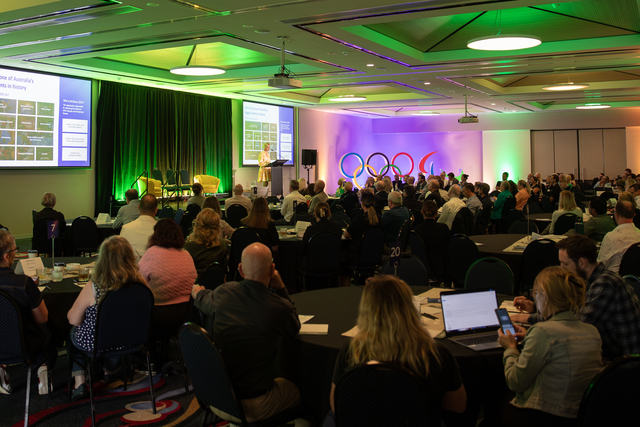
    Redlands Coast businesses and industry leaders have come together at a special event in Alexandra Hills to share ideas, network and forward plan for the…

More News

  • New paint technology at Alexandrina

    New paint technology at Alexandrina

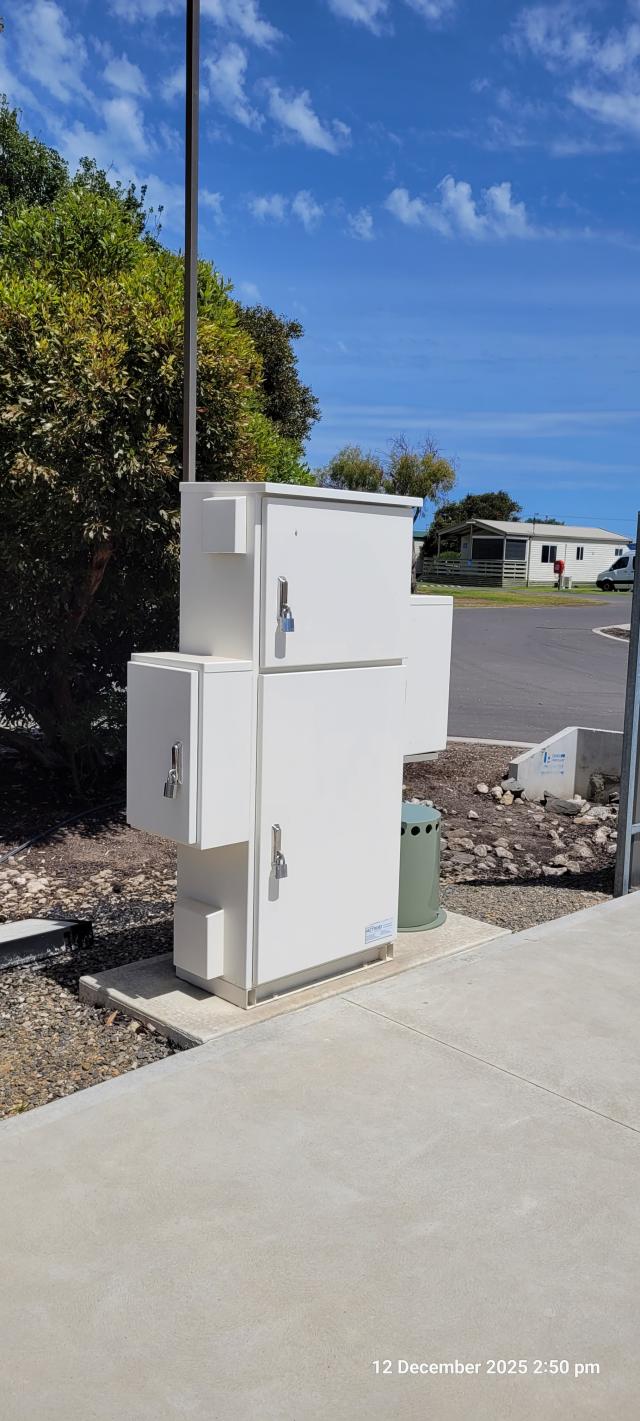
    A paint trial is taking the heat out of Alexandrina’s council infrastructure. Alexandrina Council’s Alexandrina Wastewater division is trialing new paint technology to cool down the temperatures inside cabinetry housing…

  • Rotary honours library employee

    Rotary honours library employee

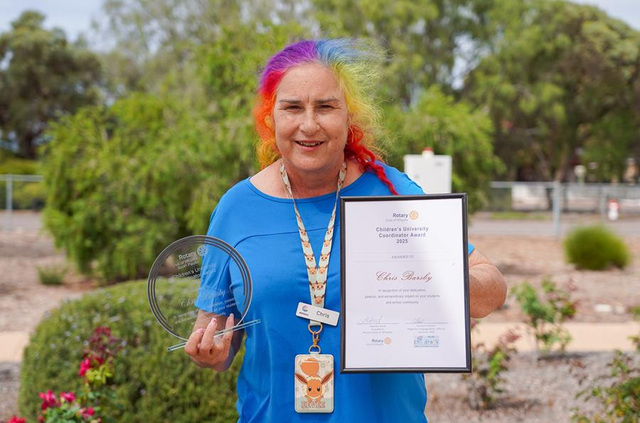
    Whyalla Public Library’s Chris Barsby has been recognised for her outstanding contribution to youth learning, receiving a Special Community Award from the Rotary Club of Whyalla. The award celebrates her…

  • Surfcoast Ecotourism champs

    Surfcoast Ecotourism champs

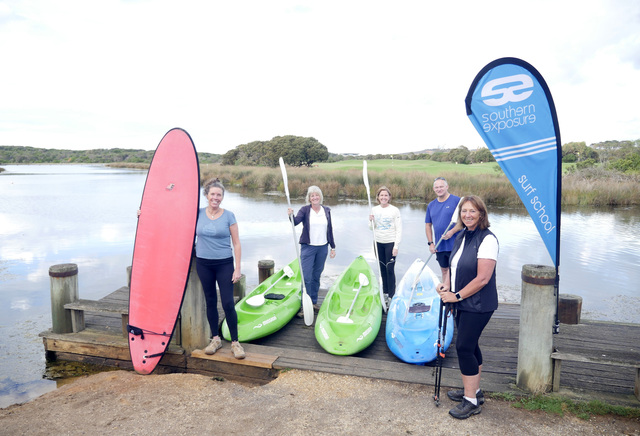
    Ecotourism Australia is proud to announce that the Surf Coast Shire has officially earned ECO Destination Certification, formally recognising the region’s adherence to global best practice sustainable tourism and environmental…

  • Special transformative project for Bayside

    Special transformative project for Bayside

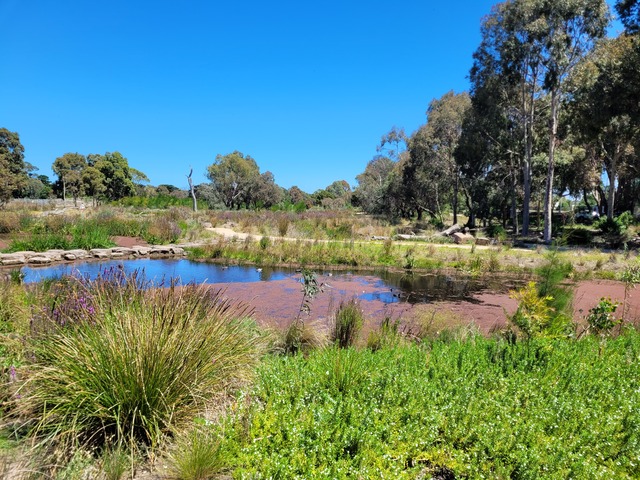
    In the northwest pocket of Bayside City Council’s municipal boundary, something very special is happening. Yalukit Willam Nature Reserve is a transformative project. The former golf course-to-nature reserve conversion is…

  • Big attraction for tiny town

    Big attraction for tiny town

    Dozens of tourists have created history as the first passengers in decades to arrive in the tiny southern Queensland town of Thallon by rail. Excited passengers travelled for hours on…

  • Together Butchulla Talk

    Together Butchulla Talk

    A new Indigenous book celebrating the Butchulla language and local animals was launched at Hervey Bay Library earlier this month with storytime, language, dance and art activities for families to…

  • New Logan arena

    New Logan arena

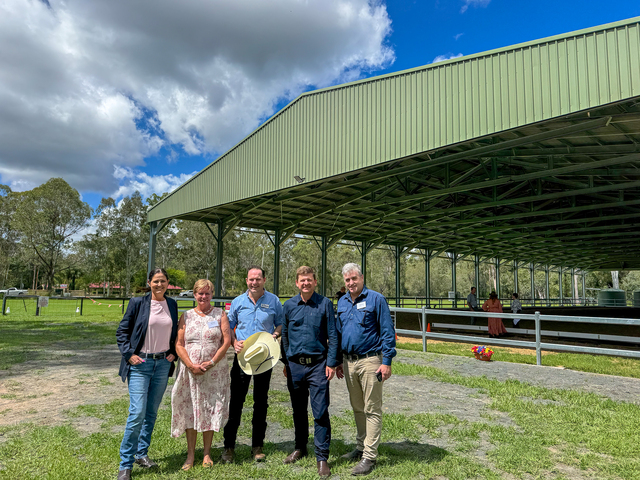
    An upgraded arena for equestrians has officially opened at Skerman Park in North Maclean. Logan City Council delivered the $928,000 project, which includes a weatherproof roof, to support members of…

  • Noosa mastering AI

    Noosa mastering AI

    Digital Hub is trying to help Noosa locals get the most out of AI. Mastering AI can make life easier in countless ways. From planning weekly meals with specific dietary…

  • Change in the weather

    Change in the weather

    AUSSIE FLOOD RESCUE It’s obvious to everybody that we are seeing weather changes. It appears to be more erratic and frequent than ever before. Local government bodies are plagued by…

  • Dandycon set to return

    Dandycon set to return

    Dandy Con, Greater Dandenong’s much loved comic and pop culture festival, returns on Saturday 11 April 2026 between 11am–4pm, bigger than ever. This free, all ages event fills Dandenong Library,…