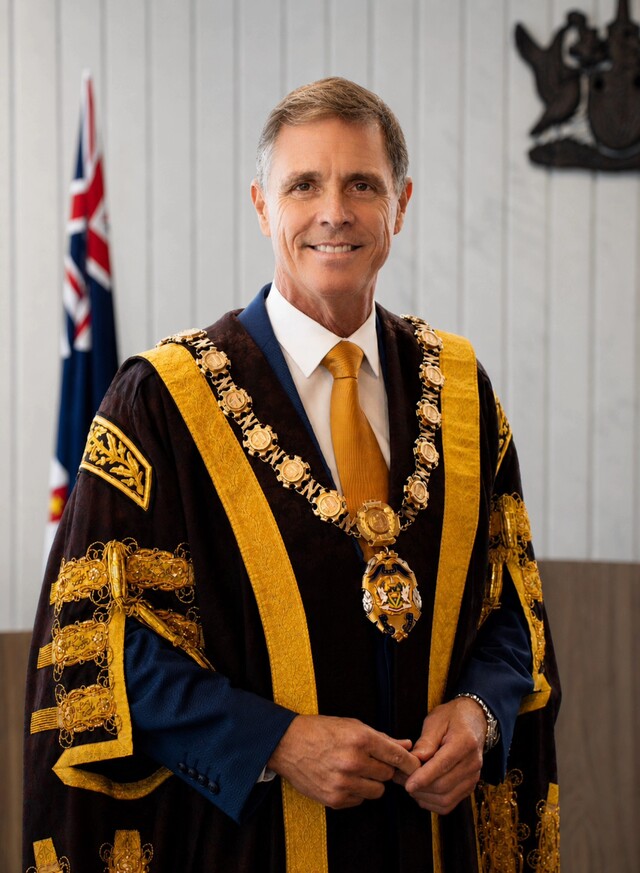
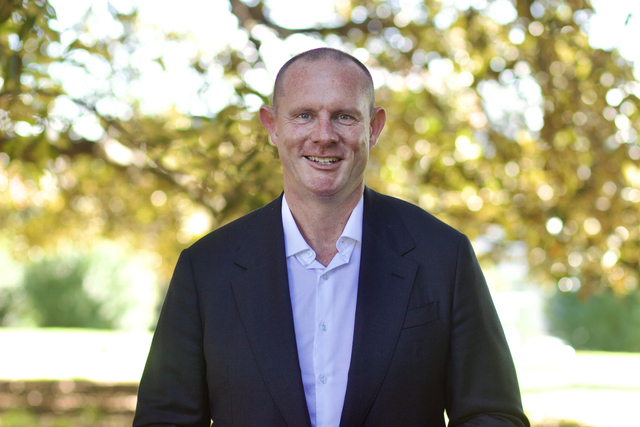
In each edition we feature the views of a Local Government Association President. The following is from Councillor Max Amber, President of the Local Government Association of South Australia.
My recent election as President of the LGA (SA) came only the day before the Adelaide hearings of the Commonwealth Cost Shifting Inquiry and it reinforced in my mind that funding for Local Government is the key issue for our Association over the next year.
In SA, Council rates and the method by which they are determined are currently in the public and media eye, as they seem to be each year around this time. The LGA has been undertaking a campaign to educate the public and the media about how and why rates are set the way they are. We know that no-one likes paying tax, but Council rates are a very small and diminishing share of the overall tax take of governments in Australia.
The Local Government Act 1999 makes it clear that rates are a tax – the higher the value of a property, the more rates you pay. This year, in SA, there have been wide fluctuations in the rate of increase in property values determined by the State Valuer General. This means some ratepayers are paying much more or less than the average increase in rates for their Council area.
Councils can do better at analysing impacts and managing changes to ensure that rates are applied as fairly as possible.
A key factor, however, is that any action within a Council area to provide relief for one group of ratepayers will simply shift the burden to another group. The ongoing difficulty is to seek to achieve a balance that is fair to everyone.
Media comment can leave uncorrected, or even promote, the view that all Councils do is collect rubbish. Everyone involved in Local Government knows that this has never been true and is certainly not true now.
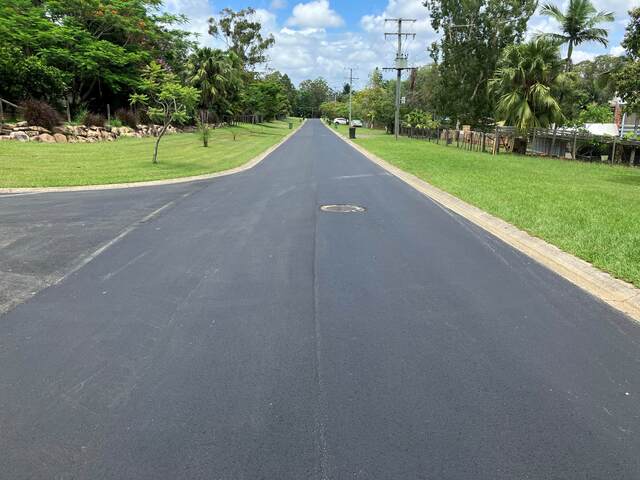
We know that Councils have taken on additional responsibilities over the past two decades – either imposed by other governments or as a direct result of responding to ever increasing community demands. A corresponding decline in funding support from other spheres of government has seen Councils ‘balance the books’ by reducing the level of maintenance and renewal of existing infrastructure assets.
As a result the overall condition and value of these assets has declined.
The bottom line is that Councils need another stream of income beyond property tax, for example a share of GST. We will need community support to force the State Governments to provide a share of their GST windfall to assist local communities through the local Council, to better carry out their responsibilities – most of which support the objectives of State Governments. People sometimes forget that Councils send out their total tax bill to ratepayers each year on one account so they can see just how much tax they pay to Local Government. Few of us have any idea how much State or Federal tax we pay in total or how much it will rise during the coming year.
Local Governments across Australia cannot maintain their infrastructure, and meet community needs on their current income. It is our job to ensure the public is aware of this looming crisis and to seek the attention and support of other governments.