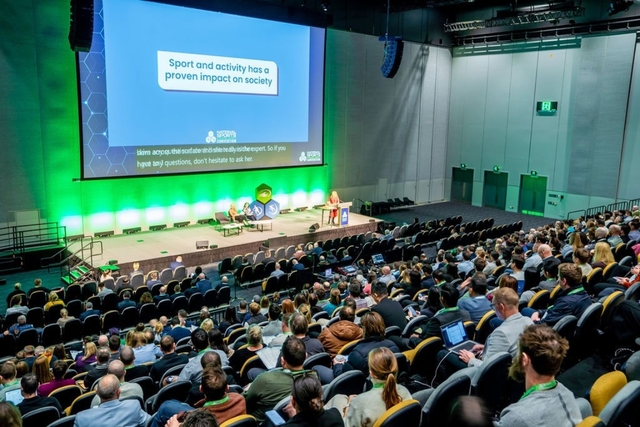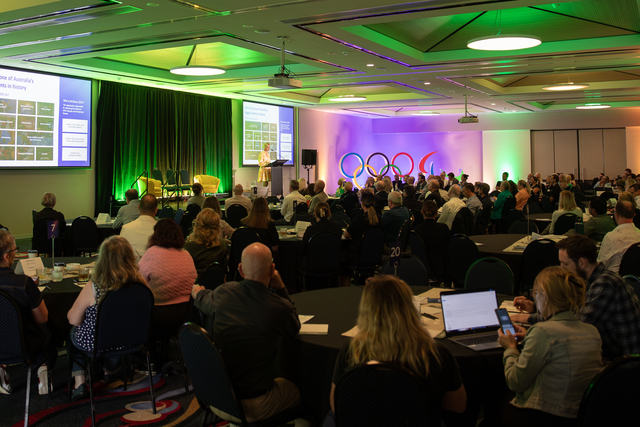
Staging its first national environment conference on 15 and 16 April, the Municipal Association of Victoria (MAV) brought together a range of keynote speakers, and invited delegates to put forward their ideas and actions to date for building a climate resilient future.
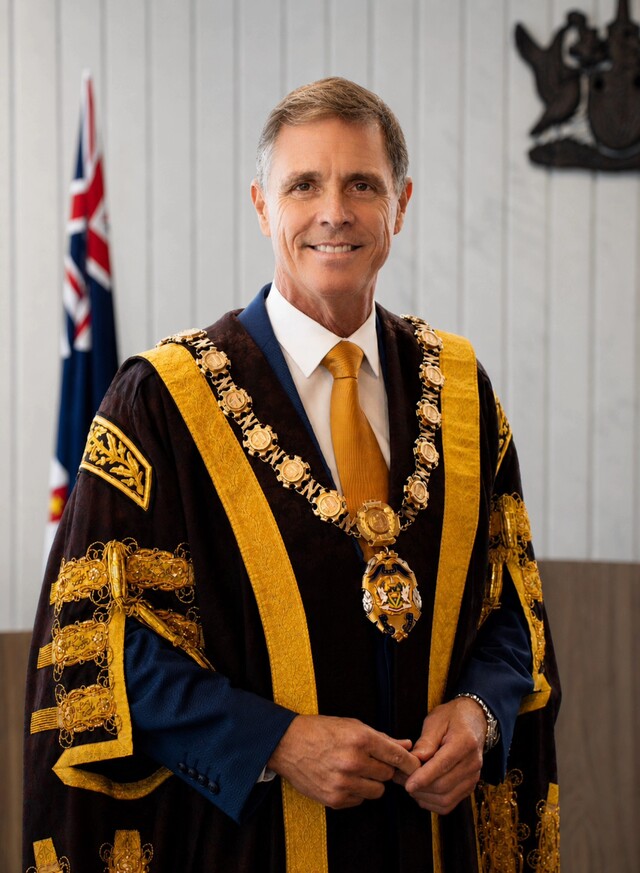
“These challenges have been taken on board by councils in Victoria and around the nation,” said MAV President Councillor Bill McArthur. “We have been at the forefront in this area long before the other spheres of government.
“The time for debate has passed; it is time for action, working with our communities to build resilience to climate change. I am proud of councils’ efforts to date in getting their own houses in order.”
Speaking at the breakfast meeting that kicked off this conference, Nic Frances, CEO of Cool nrg International, said that climate change is the biggest social issue the world faces, with the potential for many millions of environmental refugees from Bangladesh alone.
Post Copenhagen, he challenged those present to really think about it, if they are stalling on action because of ‘the politics’.
“The carbon market is already impacting people’s lives everyday,” Nic Frances said.
“Even if climate change was to go away, there are still many benefits and savings from cutting energy use.
“Waiting for the next Conference of the Parties (COP16) in Mexico later this year, or for America to act, is too risky; people are already doing cost effective things to reduce energy consumption.
“Countries such as the UK, Canada and Japan have already set targets. International energy companies such as ExxonMobil are now investing in low energy technology as they can see it coming, and the benefits of adapting to a low carbon economy are well recognised by businesses across the UK and European Union.”
Deputy Secretary of the Victorian Department of Sustainability and Environment, Kevin Love, said that because of the interface that Local Government has with local people, it has a vital role to play in building climate resilient communities.
“Similarly, the State Government and Local Government are natural partners, delivering statewide policies and then Local Government translating this into local action,” he said. “Councils are best placed to build community capacity in adapting to climate change.
“As well as their important role in providing information for people, there is huge scope for regional collaboration.”
Kevin Love pointed to building local partnerships, similar to LandCare ethics working with schools, service clubs and the like with the State Government providing grants to assist councils to do this.
Erwin Jackson, Deputy CEO of the Climate Institute, said that with Copenhagen and Senate ‘shenanigans’ late last year, it would be easy to get despondent.
“However, clean energy investments are now outstripping traditional energy,” Erwin Jackson said. “China now has 10 per cent of the global investment in clean energy. At Kyoto, 25 per cent of countries made commitments, now 80 per cent have. Countries that gain the competitive advantage will be better off. Governments are making strategic decisions to get ahead of the game but Australia is now lagging behind.”
He said it is inevitable that Australia will have a limit put on the amount of pollution it creates, and the longer we wait the more it will cost.
“There will be opportunities if we act early: the first movers will win,” he said.
United Nations award winner for environmental reporting, Age news editor Liz Minchin, said that making people feel guilt, shame or fear about climate change is not a good approach; rather, the message should be what people can do and what will make a difference.
She said that media coverage of environmental issues since 2006 had been a roller coaster of peaks and dips, but the change is that now on the business pages we are finding environmental coverage, in real estate green homes and the car section green cars.
“Stories on water, energy, climate change and sustainability are now mainstream,” she said. “But are we taking it all for granted or suffering climate fatigue?”
In spite of not much policy change, she said, people are still concerned and want strong leadership from Government, so why are the major parties steering away from this?
“This lack of certainty is making it hard for councils,” Liz Minchin said. “But there are a whole lot of actions that are good for the local community anyway, such as buying local food, cycling and walking.”