Australian cities are booming; how can we ensure outer suburbs don’t get left behind?
Three-quarters of Australia’s populatiotn now lives in a major city, making us one of the most urbanised nations in the world. Figures published by the Australian Bureau of Statistics in March show suburbs on city fringes are ballooning: Cranbourne East in Melbourne; the outskirts of Perth; and Sydney’s south-west are some of the fastest growing areas in the country.
Rapid urban growth has brought with it the unkind realities of increasingly congested roads and public transport, and allowed the housing affordability gap to stretch. Put simply, our cities are buckling under the weight of their growing populations, and infrastructure is struggling to keep pace.
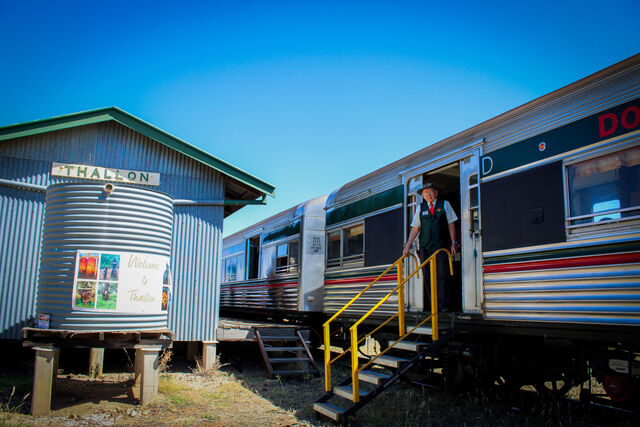
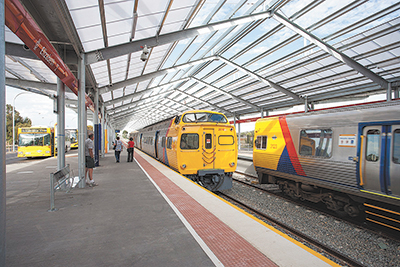
In South Australia, the Gawler Central railway line snakes from the centre of Adelaide out to the Town of Gawler, about 40 kilometres from the central business district. The surrounding area is one of the fastest growth corridors in the state. Since 2010, there have been calls to electrify the line – which still runs diesel trains – to enable a faster and safer commute for residents who must travel significant distances for work. The project has stalled repeatedly, after federal funding was offered and then withdrawn.
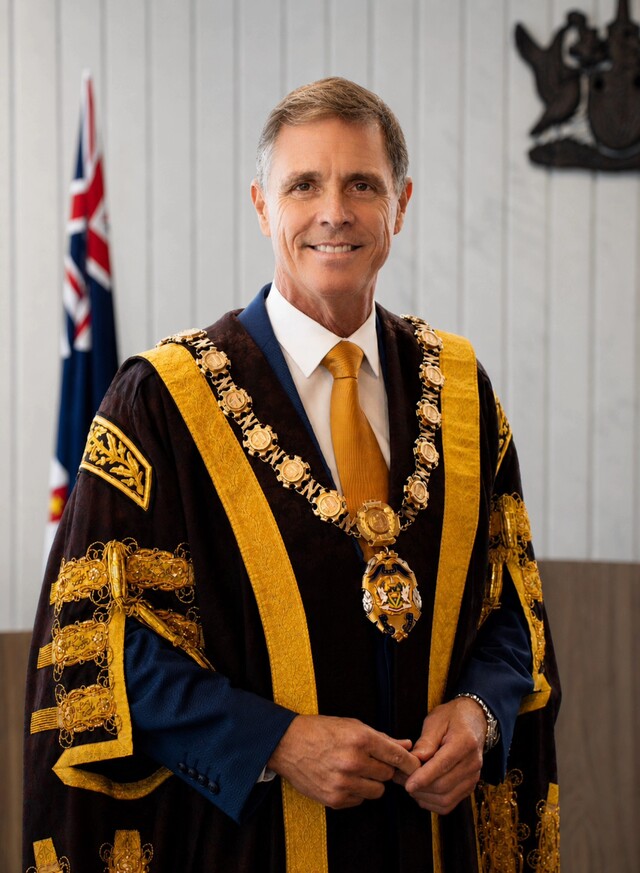
Mayor of the City of Playford, Glenn Docherty, said electrification would ease transportation pressures in the area. “Adelaide deserves to have that piece of infrastructure electrified to allow for a better and easier commute.”
It would also have economic benefits, said the Mayor: “With electrification, that allows some certainty for businesses and developers to develop that land, which will add to the economic vibrancy of the community, and help to create jobs and further investment.
“We just think that it’s time that the Government listened to the residents of Northern Adelaide and makes a commitment.”
Mayor Docherty is chair of the National Growth Areas Alliance (NGAA), a group of 24 councils in outer-urban areas, all experiencing rapid growth.
Since February, the NGAA has been running the Fund Our Future campaign, calling on both sides of government to commit to a dedicated infrastructure fund for these booming areas.
Mayor Docherty said the story in his area is a common one: “The problems of congested roads, poor public transport and accessing health care are issues that are faced by all of our constituent areas across the country.
“We’ve got constituents that take two hours a day to get to work, they don’t have appropriate public transport connections and they have health care services that are not keeping up with demand from population growth.”
In Western Australia, the City of Wanneroo in Perth’s north is experiencing unprecedented growth. Mayor Tracey Roberts said the issues that come with population increases have been exacerbated by inadequate investment in infrastructure.
“If this work had been completed 10 years ago, our residents would not be in the situation they are in today.”
Figures commissioned by the NGAA outline the need for a commitment of $73 billion of federal money: $50 billion to address the backlog, and a further $23 billion until 2031.
Since the installation of a dedicated Minister for Cities, it has been clear the Turnbull Government wants to put cities on the national agenda. At the end of April, the Government unveiled its Smart Cities Plan, spruiking the idea of “30-minute cities” and aiming to change the way infrastructure projects are financed, focusing on increasing private investment instead of providing government grants.
The plan also hinges on a City Deals policy – modelled on a program from the UK – which involves partnerships between the three tiers of government, and will investigate value-capture strategies.
The response to the plan from local government has been mixed. Sydney Lord Mayor Clover Moore said it is a ‘breakthrough’. She told the ABC: “I think the PM’s announcement is really welcome. He’s talking about a partnership between the Federal Government, state governments and city governments to be able to fund important projects in our cities.”
The Western Sydney Regional Organisation of Councils (WSROC) said the plan is promising, but would like a guaranteed engagement with local government.
“We believe this policy will encourage local government to take the initiative and use their grassroots knowledge to propose well-thought-out projects and policy ideas that are beneficial to their communities,” said WSROC President Councillor Tony Hadchiti.
But, he said the organisation “would like to see a stronger focus on engaging with local government, not just state and territory governments, in the Plan.”
Cr Hadchiti said the Federal Government and WSROC ‘agree on many points’, but, “we invite the federal government to discuss how the Smart Cities Plan and 30-minute city concept isn’t just election spin.”
Back in South Australia, Mayor Docherty said the Smart Cities Plan represents some progress, but much more needs to be done to ensure outer-urban areas don’t get left behind. “This is a reasonable direction which is in line with our research and our approach, but it is hard to see yet how the outer suburbs will be better off.”
More concentrated funding is needed to avoid continuing disadvantages, said the Mayor. “If a significant investment is not made now, we risk dividing Australian cities along social and economic lines: those in the inner city who have good access to transport, jobs and health facilities – and those in the fast-growing outer suburbs who do not.”