At a recent symposium Welcoming Cities launched a public draft of their framework for cultural diversity and inclusion practices for local councils.
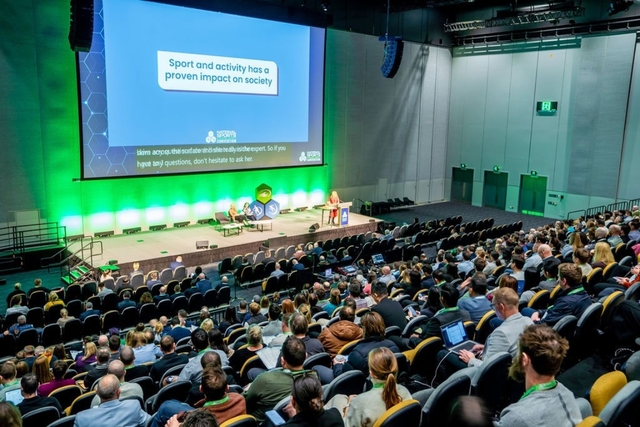
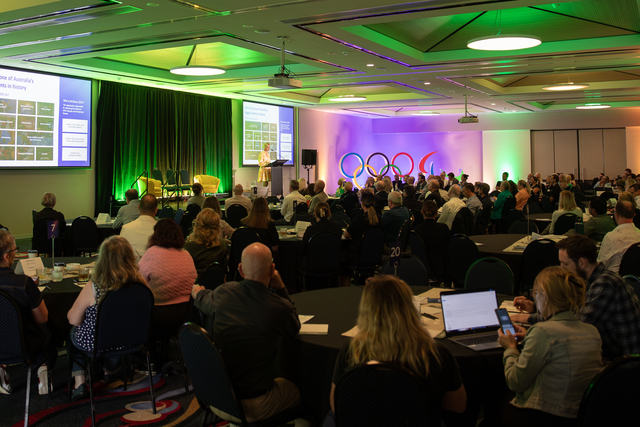
International migration experts and Australian local government leaders recently met in Melbourne at the second national Welcoming Cities Symposium, held on 1 March.
Keynote speakers included Jill Helke, International Organization for Migration, and Catherine Proffitt, Immigration New Zealand.
Speaking at the symposium, Ms Helke said that communities that are equipped to welcome new arrivals would benefit both economically and socially in the long term.
“Stories highlighting the immense potential contributions of migrants — and the proven benefits for receiving local communities — must be emphasised to balance and ultimately drown out negative perceptions about immigration,” Ms Helke said.
Despite strong public support for immigration in
Australia, with latest Scanlon Foundation research showing a substantial majority (59 per cent) consider our current immigration intake to be ‘about right’ or ‘too low,’ the real opportunity to maximise participation and productivity is at the local level.
“While overall discourse on migration tends to be set at the top, it is local leadership and community activists who can often play the largest role in promoting positive perceptions toward migration and migrants,” Ms Helke said.
“That positive change at a local level can often inspire a shift in migration policy and practice at the national level.”
As part of the symposium, Welcoming Cities launched the first public draft of the Australian Standard for Welcoming Cities – the first accreditation framework in cultural diversity and inclusion practices for Australian local councils.
Welcoming Cities National Manager, Aleem Ali, said the Standard – developed with Deloitte Australia – will enable local councils to benchmark their current policies and programs to maximise inclusion and engagement, identify areas for improvement, and assess progress over time.
“The Standard will help foster national collaboration and increase communities’ abilities to live and breathe the Australian values of diversity, generosity and a commitment to giving people a fair go – particularly when welcoming new migrants,” Ali said.
Ali said that as some Australian towns and regional centres face significant population and economic decline, migration and settlement present opportunities to increase local population, revitalise local businesses and services, and attract increased funding and investment.
“While many communities are already undertaking effective and innovative programs to create welcoming communities, others are unprepared and may find themselves allocating resources that are less effective in the long term,” Ali said.
“Welcoming Cities is about empowering communities, led by local governments, to work together with local businesses to develop solutions to community challenges.
The public draft of the Australian Standard for Welcoming Cities will be open for consultation and feedback for approximately three months.